






It’s been a rough time for the 60/40 model, a portfolio meant to protect investors from big downward swings.
The 60/40 model is usually defined as 60% allocated to stocks and 40% to bonds. Often, investors and their advisers will use the 60/40 model as a starting point, even if they don’t exactly track such a simple model.
Last year, according to data from JPMorgan Asset Management, the portfolio lost 16%, with the equities portion in the S&P 500
SPX
and the bond-market basket tracking the Bloomberg U.S. Aggregate Return Index.
Now, analysts at Goldman Sachs say the 60/40 portfolio had another 7% drawdown since the summer. They say there’s an increasing risk of a lost decade.
The analysts had said at the end of 2021 that the portfolios were likely to have more frequent and larger drawdowns. “The key reasons for this were elevated valuations for both bonds and equities post the COVID-19 recovery but also high and rising inflation, which was a break from the previous regime characterized by low and anchored inflation,” said the Goldman team led by Christian Mueller-Glissmann.
While valuations are now not as demanding, they still may be too high for a large and sustained rebound in the portfolios. “Benchmarking the current 60/40 drawdown to historical ones since World War II reveals that, while the average decline in equity valuations since end of 2021 is comparable, current levels of Shiller P/Es are higher than levels reached at historical 60/40 drawdown troughs, especially before the global financial crisis,” they said.
The Shiller price-to-equity ratio measures earnings from the last 10 years, adjusted for inflation, against stock-market prices. It’s designed to filter out the swings in profits during different business cycles.
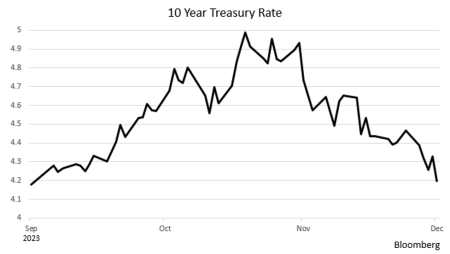
Bond yields still remain well above the average reached at previous troughs, especially during inflationary bear markets, the Goldman team added.
The team said its dynamic asset-allocation model sends a similar message: “The probability of another large 60/40 drawdown has declined from last year’s elevated levels but it has not declined as much as historically post large 60/40 drawdowns,” said the Goldman group. “Similarly, the likelihood of a large recovery in 60/40 portfolios has remained relatively low and has declined again recently.”
Read the full article here